⚓ Port, Maritime and Law Enforcement Patrol Market Analysis:
The all-weather monitoring advantages of thermal imaging and AI
The operation of airports, seaports, maritime patrols, and various vessels (fishing boats, steamships, merchant ships) places extremely high demands on environmental awareness, safety monitoring, preventative maintenance, and efficient law enforcement. These scenarios share common characteristics: harsh environments, limited visibility, and high asset value.
- Market Size Forecast: The global market size for smart ports, maritime security and law enforcement patrol systems is expected to reach tens of billions of dollars by 2030, with thermal imaging sensors and AI video analytics being key growth drivers.
- The strategic importance of Ir thermal imaging: High-order Ir thermal imaging (VGA/SXGA or higher) is a must-have for night navigation assistance, navigation in severe weather, detection of illegal intrusions into ports, maritime search and rescue, and ship fire monitoring.
- Core technology: Edge AI and fusion algorithms enable real-time automatic classification and early warning of floating objects on the sea surface, illegal boarders, and abnormal ship overheating, greatly improving the level of maritime law enforcement and navigation safety.
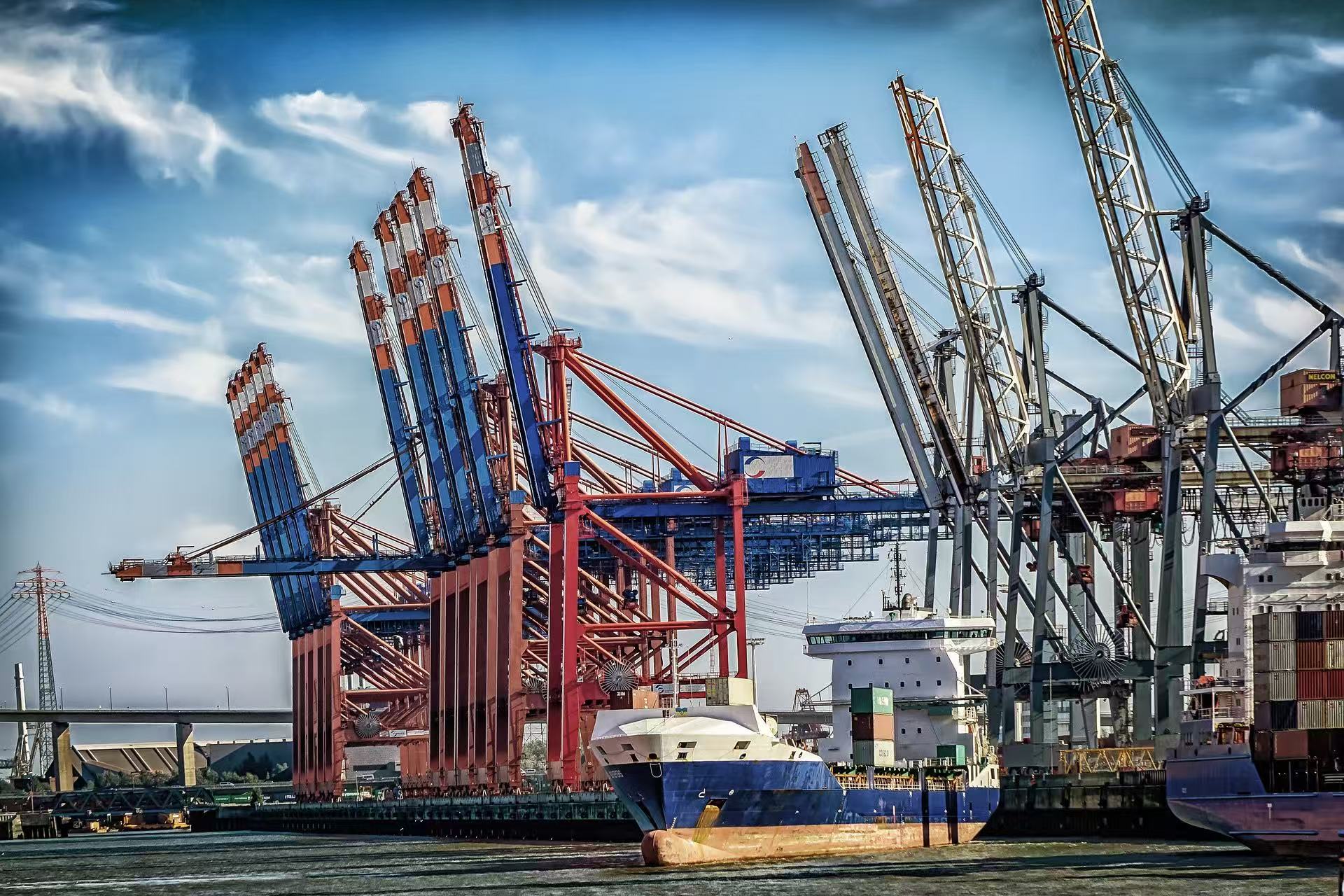
I. Market Size and Growth Drivers of Airports, Seaports and Maritime Ports
Market growth is primarily driven by global trade’s pursuit of port operational efficiency, the International Maritime Organization’s (IMO) stringent requirements for navigation safety, and law enforcement agencies’ need for efficient anti-smuggling and anti-illegal immigration measures.
- Market size and growth trend
The market is driven by intelligence, automation, and stringent security standards.
- Growth drivers: Improving port operational efficiency at night and in inclement weather (avoiding downtime), optimizing vessel fuel efficiency (through equipment monitoring), and comprehensive security needs for **critical infrastructure (such as docks and oil depots)**.
- Structural changes: The system is shifting from passive monitoring to proactive early warning and predictive maintenance, using sensor data directly for operational decisions and asset management.
- Breakthroughs in the application of Ir thermal imaging
The breakthrough value of thermal imaging technology lies in its ability to capture heat energy in extreme environments:
- Maritime Navigation and Obstacle Avoidance: At night or in dense fog, traditional radar cannot effectively distinguish small boats, driftwood, or even pedestrians at sea. Thermal imaging can clearly show the thermal characteristics of these targets, serving as visual redundancy for radar and visible light navigation, and greatly reducing the risk of maritime collisions.
- Ship/Port Firefighting and Safety: Thermal imaging can monitor temperature anomalies in cargo holds, oil tanks, or containers non-contactly, enabling early warning of spontaneous combustion of cargo or thermal runaway of batteries.
- 24/7 law enforcement patrols: When police patrol boats are tracking targets at night or in open waters, thermal imaging can lock onto the engine heat signals of escaping vessels or the body temperature of people who have fallen into the water, improving the success rate of tracking and search and rescue.
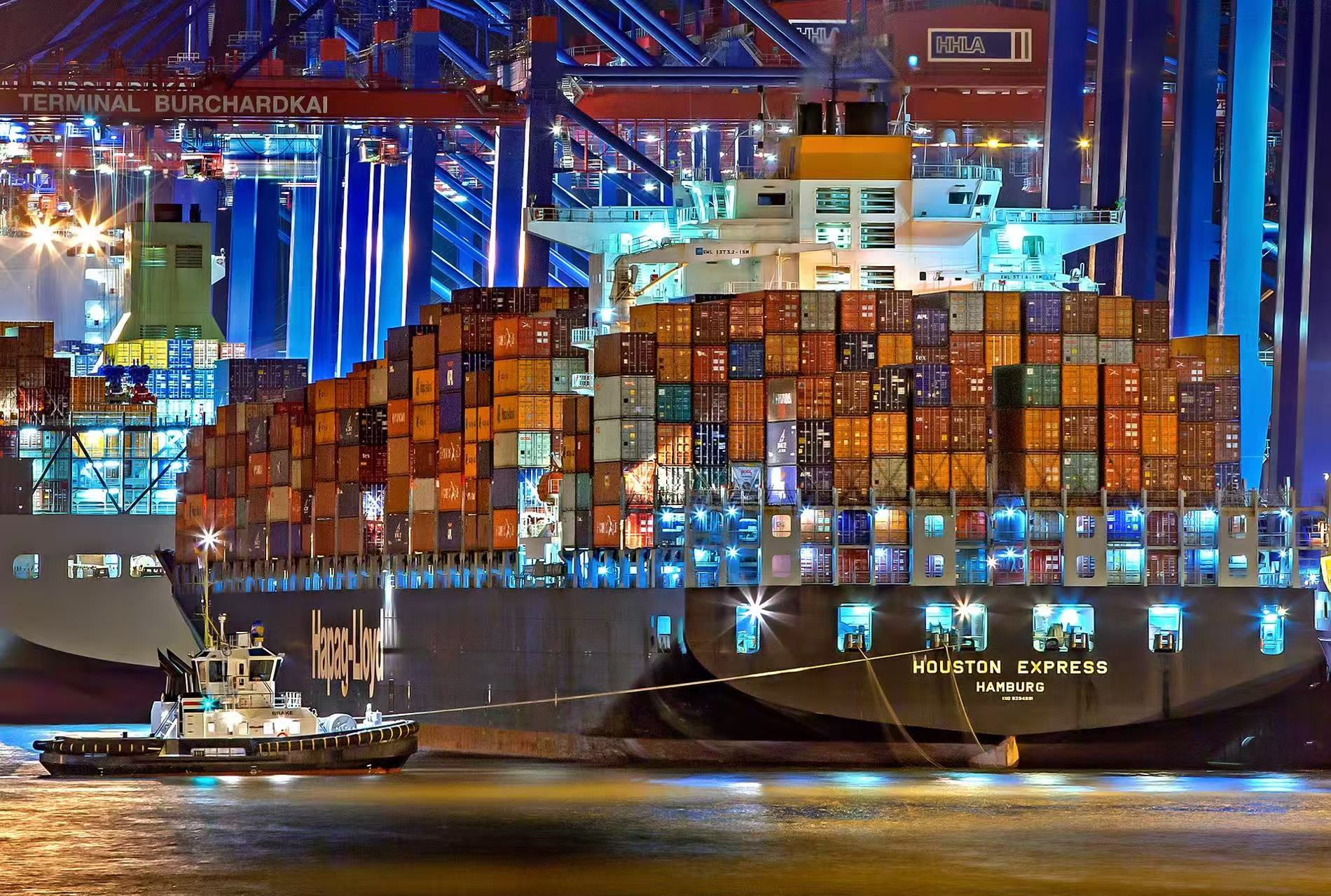
II. 🔥 Rigid Application Needs of High-Order Ir Thermal Imaging and AI Algorithm Enhancement
The extreme resolution (SXGA) and thermal sensitivity (low NETD) of high-order Ir thermal imaging are strategic necessities for ensuring maritime safety and efficient operation.
- Maritime Safety and Search and Rescue (Core Needs: Remote Precision Detection and Vital Sign Lock-on)
- Essential need: Fishing boats, ships and merchant ships need to detect icebergs, floating objects, life rafts or people who have fallen into the water at long distances when navigating at night.
- Advantages of Ir SXGA or higher: The ultra-high resolution of Ir SXGA ensures that the shape and thermal signature of targets can be clearly distinguished from a distance, even in harsh sea conditions. Extremely low NETD enables the capture of faint body temperature signals from those in the water, significantly reducing search and rescue time.
- Intrusion detection and security for ports and airports (essential core requirement: zero-blind-spot perimeter monitoring)
- Essential areas: Key areas such as ports, docks, storage yards, or airport runways need to detect unauthorized vessels or personnel within a radius of several kilometers, at night or in heavy fog.
- Enhanced AI algorithms: Thermal imaging combined with edge AI enables local differentiation between environmental heat sources such as tides, waves, and seabirds, and threatening targets such as human figures and small boats. AI automatically locks onto targets and guides high-magnification PTZ cameras, ensuring zero omissions and low false alarms intrusion detection.
- Predictive maintenance of vessels and cargo assets (core requirement: equipment thermal condition monitoring)
- Essential needs: The engine rooms, electrical systems, and critical mechanical components of ships and merchant vessels require continuous monitoring to prevent malfunctions and fires.
- Why it's essential: Only thermal imaging can non-contactly monitor engine overheating, abnormal frictional heat in bearings, or early fault thermal signals in high-voltage electrical equipment. Edge AI tracks historical curves of these thermal anomalies, enabling predictive maintenance and avoiding costly repairs and downtime at sea.

III. The Market Strategic Value of Edge AI Computing and Fusion Algorithms
In maritime and law enforcement patrols, real-time performance, reliability, and autonomy are the main values of AI.
- The strategic role of edge AI computing
- Real-time target tracking and stabilization: During vessel patrols, the hull is constantly rocked by waves. Edge AI is responsible for stabilizing thermal imaging images and tracking locked targets in real time, ensuring that operators can maintain continuous monitoring of targets even in turbulent conditions.
- Data compression and analysis: Edge AI processes high-resolution thermal images on shipboard equipment, extracts metadata of threat targets, and then transmits them, saving expensive and limited satellite bandwidth in maritime communications.
- Market value of fusion algorithms
- Enhanced navigation vision: The algorithm fuses the target localization capability of thermal imaging with long-range radar information and GPS/AIS data, overlaying thermal targets onto electronic charts to provide navigators with extremely accurate and intuitive enhanced navigation vision.
- Automatic identification of violations: AI can be trained to identify abnormal fishing patterns of fishing vessels, unauthorized entry into controlled waters, or illegal boarding behavior, enabling automated early warning for law enforcement tasks.

Conclusion: Technological barriers and market competitiveness
High-order Ir thermal imaging (VGA/SXGA or higher) has become an indispensable requirement for port, maritime patrol, and merchant ship safety operations due to its reliable detection and navigation capabilities in extreme environments. Combined with powerful edge AI computing and multi-sensor fusion algorithms, these systems are evolving from passive observation tools into intelligent maritime safety intelligence terminals capable of autonomous perception, real-time early warning, and assisted navigation. Mastering this technology is key to gaining a competitive edge in the professional maritime and law enforcement market.
