Thermal imaging technology is rapidly penetrating into non-contact healthcare. Particularly in high-risk environments such as pet ICUs, the market's rigid demand for real-time, non-contact vital sign monitoring is driving the application of advanced Ir thermal imaging and dedicated AI algorithms.
- Market Size Forecast: The global medical thermal imaging application market is projected to reach several billion US dollars by 2030, with a compound annual growth rate (CAGR) exceeding 7%. The rapid growth of veterinary medicine and pet owners' desire for advanced treatments make it a high-value emerging market segment.
- The strategic importance of Ir thermal imaging: High-order Ir thermal imaging (VGA, SXGA or higher) has become a rigid requirement for early disease screening, precision treatment monitoring and real-time vital sign monitoring in pet ICUs due to its extremely high thermal sensitivity (low NETD) and spatial resolution.
- Core Technology: Powerful edge AI and dedicated algorithms are key to transforming thermal images into clinical diagnostic indicators, quantifying treatment effects, and non-contact vital sign data, and are decisive factors in improving diagnostic reliability and efficiency.
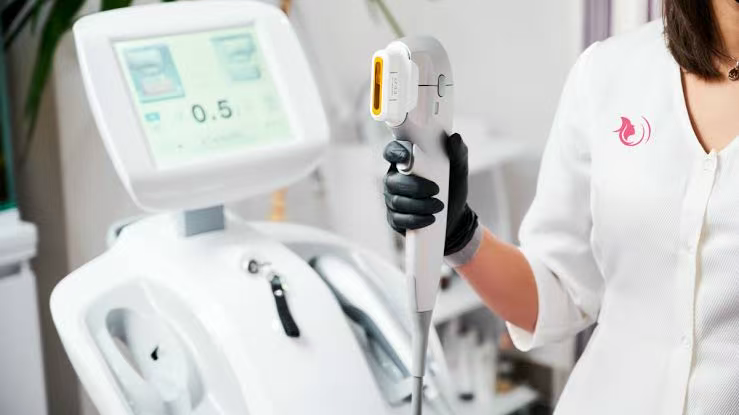
I. Market Size and Growth Drivers of Medical and Aesthetic Medicine
The market trend toward digital healthcare, remote monitoring, and non-invasive diagnostics has accelerated the adoption of thermal imaging technology.
- Market size and growth trend
Growth drivers include an aging population, increased demand for chronic disease management, and a growing need for objective quantification of the effects of medical aesthetic treatments. The market is shifting from simply selling equipment to providing data analytics services that combine AI-assisted diagnosis. In the veterinary medicine sector, particularly pet healthcare, there is a growing trend of consumption upgrading, with a significant increase in investment in high-tech diagnostic and monitoring equipment.
- The core value of Ir thermal imaging in medicine
The core value of high-order Ir thermal imaging in medicine lies in providing visualization of physiological functions, reflecting the state of physiological functions such as subcutaneous blood circulation, metabolic rate, and inflammatory response. Its extremely low NETD can capture minute temperature changes, providing auxiliary evidence for early screening.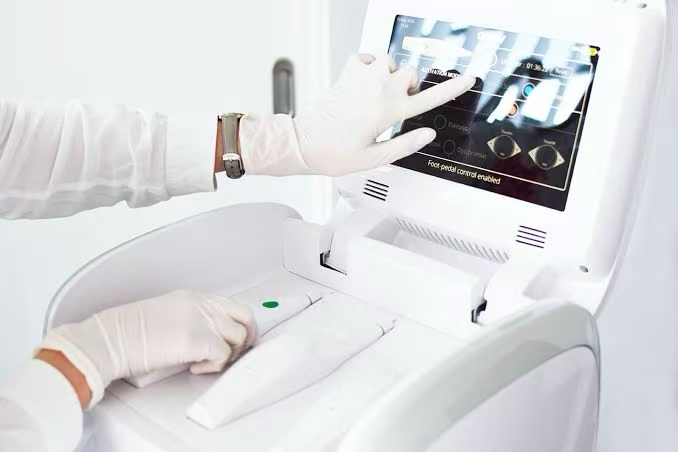
II. 🔥 Rigid Application Needs of High-Order Ir Thermal Imaging and AI Algorithm Enhancement
The high resolution (VGA, SXGA) and thermal sensitivity of high-order Ir thermal imaging, combined with AI algorithms specifically designed for medicine, have become a strategic necessity in multiple clinical fields.
- Pet ICU and Intensive Care (Essential Core Needs: Non-Contact Vital Sign Monitoring and Emergency Early Warning)
This is the most prominent application of thermal imaging in veterinary medicine, where there is a strong demand for it. In pet ICUs, animals are often under stress or under anesthesia, and traditional contact monitoring devices (such as ECG patches or thermometers) may cause secondary injury, fall off, or provide inaccurate measurements.
- Rigid Applications: High-resolution thermal imaging at the Ir SXGA level, combined with edge AI algorithms, can monitor minute thermal changes on the surface of an animal's skin in real time and without contact, thereby calculating heart rate, respiratory rate, and body surface temperature distribution.
- AI algorithm enhancement: Specialized AI models can be trained to identify thermal fingerprints of severe illnesses such as sepsis, shock, or internal bleeding, such as minute temperature differences between the extremities and the core body temperature, providing early and objective emergency warnings, which greatly improves the quality of intensive care for pets and the speed of veterinarians' response.
- Disease screening and diagnostic assistance (essential core requirement: extreme thermal sensitivity and quantification)
- Rigid Applications: Still applicable to breast cancer screening assistance and early detection of diabetic foot lesions in human medicine. The ultra-high resolution of Ir SXGA is used for precise scanning, combined with extremely low NETD, enabling the detection of faint thermal spots caused by tumors or inflammation, or local temperature heterogeneity caused by vascular lesions.
- AI Algorithm Enhancement: Specialized algorithms are used for heatmap segmentation, feature extraction, and asymmetry quantification to automatically identify potential abnormal regions and assist doctors in making objective diagnoses.
- Medical Aesthetics and Physical Therapy Assessment (Core Need: Visualization and Tracking of Treatment Effects)
- Essential applications: Covering post-operative monitoring of cosmetic and minimally invasive procedures, evaluation of laser treatment effects, and monitoring of inflammation after physical therapy/sports injuries. Changes in skin temperature after treatment are key indicators for assessing inflammation, edema, and blood flow recovery.
- AI Algorithm Enhancement: Edge AI algorithms are used to track the temperature curve, decay rate, and spread of a specific treatment area (ROI) in real time, providing objective, digital before-and-after treatment comparison reports, which are crucial for the standardization of treatment procedures and customer satisfaction.
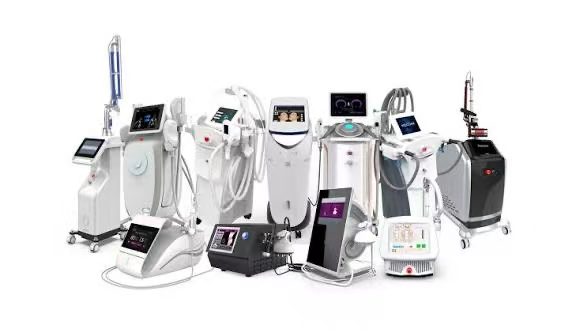
III. The Market Strategic Value of Edge AI Computing and Algorithms
In the medical field, the security, accuracy, and real-time nature of data are paramount. Edge AI computing units and specialized algorithms are strategically central to achieving these goals.
- The strategic role of edge AI computing
- Real-time diagnosis and monitoring: Edge AI runs diagnostic models in real time on the acquisition device, especially in continuous monitoring environments such as pet ICUs, and can provide heat map analysis results instantly, ensuring low latency and continuity of monitoring.
- Data privacy and compliance: Edge AI processes thermal images locally, extracting and transmitting only de-identified, quantified metrics, which greatly improves data security and regulatory compliance in global markets.
- Market value of dedicated algorithms
- Quantification and Standardization: Medical-grade algorithms can accurately correct thermal images and automatically segment ROIs, eliminate environmental interference, and output standardized clinical indicators (such as heart rate, respiratory rate, and asymmetric temperature difference in pets), transforming thermal imaging data into reliable and quantifiable diagnostic evidence for doctors.
- AI-assisted diagnosis (CAD): Combining deep learning algorithms, it can be trained to identify complex heat patterns associated with specific diseases, acting as a second opinion for doctors and improving the accuracy and efficiency of early screening.
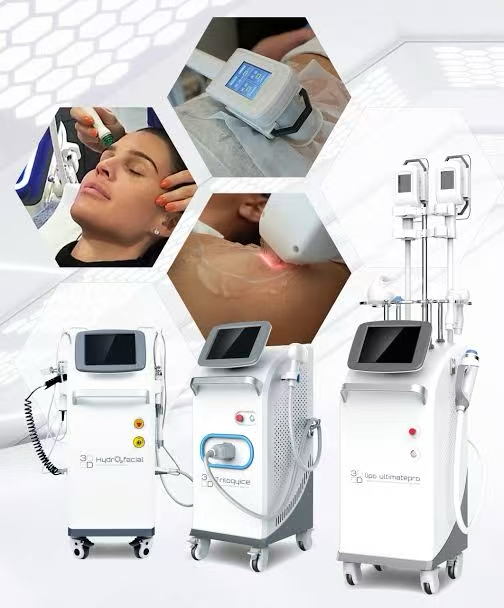
in conclusion
High-resolution infrared (IR) thermal imaging (VGA, SXGA, or higher) has become a crucial technological requirement in the medical, aesthetic, and veterinary medicine markets, particularly for non-contact vital sign monitoring in pet ICUs, due to its extremely high thermal sensitivity and non-invasiveness. This necessitates early disease screening and precise monitoring of treatment outcomes. Powerful edge AI computing units and specialized medical algorithms represent a strategic technological frontier for transforming this high-resolution thermal data into safe, standardized, and clinically valuable diagnostic tools. The deep integration of these two technologies will significantly drive the development of digital healthcare globally.
